
Safe Pesticide Handling with the Right Personal Protective Equipment
The use of pesticides is necessary for industrial, commercial, and public health control but needs to be treated with extreme caution. The protection of workers from health hazards such as skin irritations, eye injuries, respiratory problems, and occupational health problems can be achieved through proper handling of pesticides. However, the handling of pesticides may present health risks to the workers if not done safely. These risks are minimized through safe handling of pesticides and use of proper PPE.
Personal protective equipment acts as the first line of defense when chemicals are used in their application and mixing process. Coveralls (Dongry), cotton gloves, rubber gloves, safety goggles, safety helmet, harness, respirators, face shields, safety shoes, and protective clothing act as some of the most vital elements in minimizing exposure to dangerous substances; hence, increasing chemical safety. Proper utilization of PPE during pesticide applications acts as a good way of protection for both the pest control operators and applicators and even reduces contamination to the clients and the environment.
Eco Safety is an Industrial PPE supplier in Pakistan, offering high-quality industrial safety products to help ensure occupational safety and chemical protection in various industries. PPE is essential for pest control technicians, chemical handling safety equipment or help in determining which PPE is right for pesticide handling, so it’s important to invest in reliable protective equipment to promote safer and responsible operations.
Why Safe Pesticide Handling Matters
Pesticides are efficient in killing pests, but the use of insecticides may lead to the exposure of pesticide applicators to toxic substances through contact with the skin, in the eyes, and even inhalation. The exposures occur in the form of spray drift, insecticide spillage, container leakage, and contaminated equipment. Exposures affect the health of the exposed person in cases where the person is not properly protected by the appropriate PPE in the following ways: Skin irritation, eye damage, headache, dizziness, vomiting, and difficulty in breathing. Appropriate pesticide handling and protection from the chemicals are vital in all applications of pesticides because there is a chance of chronic occupational diseases such as chronic obstructive pulmonary disease (COPD), asthma, bronchiectasis, and pulmonary hypertension
Improper handling also leads to contamination of indoor surfaces, building areas, surrounding environments, and nearby water sources, which will affect beneficial insects, wildlife, and the environment. The use of nitrile gloves, coveralls, and respirators is a practice that reduces these hazards during the application of pesticides. Follow label directions, application methods, and appropriate protective clothing. High-quality industrial PPE ensures not only the safety of the worker but also safety and compliance in the workplace. EcoSafety (Pvt.) Ltd, based in Pakistan, supplies a range of industrial safety equipment and PPE designed to support safer working conditions across various industries.
Understanding Personal Protective Equipment (PPE)
PPE includes unique forms of protective clothing and protective devices such as gloves, coveralls, respirators, goggles, face shields, and chemically resistant footwear, which guard technicians from the hazards posed by the use of pesticides. PPE is one of the most significant safety measures since it provides a shield to protect the body from the hazards caused by the dangerous chemicals while handling the pesticide application, the cleaning of equipment, and the preparation of pesticides. Although safety practices have a major part to play, PPE is required as a safeguard against splashes and spills.
The use of appropriate PPE is effective in reducing risks associated with exposure to pesticides since it prevents any contact of the pesticides with the body through the skin, eyes, and lungs, hence decreasing the chances of experiencing acute and chronic effects of pesticides. In order to gain maximum benefits, one must select high-quality PPE that is compatible with safety standards and suitable for particular pesticides.
Case Study: Personal Protective Equipment (PPE) for Tobacco Warehouse Insecticide Spraying
A pest control technician is assigned to carry out an insecticide spray treatment to control flying insects in a tobacco storage warehouse. The pesticide handling operation will be conducted safely with the appropriate personal protective equipment (PPE) by the pest control technician because insecticide droplets, vapors and contaminated surfaces are all possible sources of exposure to pesticides. Using the proper pest control PPE minimizes the chances of chemical exposure and guarantees occupational safety when applying pesticides.
Required PPE:
- Resistant gloves to insecticides (such as nitrile gloves)
- Long-sleeved coverall or chemical-resistant protective clothing.
- Safety goggles for the protection of the eyes from splashes.
- A face shield for use during the pouring or mixing of concentrated insecticides.
- Safety boots suitable for pesticide handling and application.
- An appropriate respirator with appropriate chemical cartridges (if necessary per product label)
Stage 1: Before Pesticide Mixing and Preparation
The technician should check all personal protective equipment for damage before opening the container of insecticide and make sure that it is worn properly.
Purpose: This safety equipment helps to protect the skin, eyes and respiratory system from accidental contact with chemicals and vapors when handling pesticides.
Stage 2: During Insecticide Spraying
The technician is exposed to the spray droplets and pesticide mist in the air during the application in the tobacco warehouse.
Purpose: Good pest control PPE reduces the risk of pesticide exposure from inhaling, skin contact or eye contact and provides good insecticide protection during spraying.
Stage 3: After Spraying and Equipment Cleaning
Once treatment has been completed, the technician is responsible for safely cleaning up the spraying equipment and disposing of waste in accordance with the safety procedures.
Purpose: PPE still offers chemical protection from pesticide residues when cleaning equipment and handling waste.
Stage 4: To remove PPE & Personal Hygiene
After all work is done, it is important to remove PPE in a careful manner so as not to contaminate the technician.
Objective: Safe removal and upkeep of protective clothing and other PPE are important to prevent secondary exposure and ensure long-term workplace safety.
PPE that may require disposal after use
- Nitrile gloves that are disposable when they have become contaminated, damaged, or when single use is required.
- Coveralls that are disposable when they are single-use or chemical-resistant coveralls as per manufacturer’s specifications.
- Shoe/boots covers when used during pesticide application.
- Respirator masks/filters have been designed for single use only; otherwise, the reusable respirators must be washed and serviced as per the manufacturer’s guidelines.
- Contaminated absorbent PPE or protective equipment that cannot be thoroughly cleaned and decontaminated.
It is recommended to dispose of single-use PPE and contaminated PPE according to the label guidelines, manufacturer’s directions, and waste disposal regulations.
Essential PPE for Safe Pesticide Handling
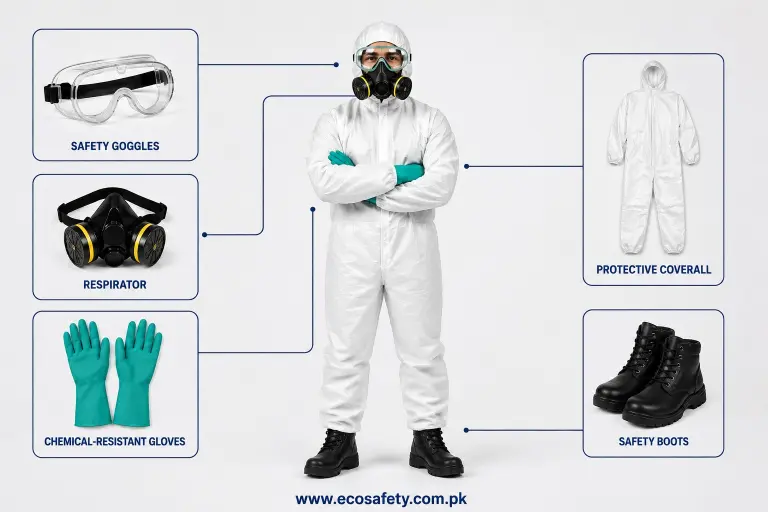
The correct use of personal protective equipment when handling pesticides is necessary to minimise exposure to pesticides and enhance safety in the workplace in pest control. The safety equipment needed will vary with the type of pesticide, method of application and work environment. The following equipment is considered the minimum protection needed for working safely with pesticides.
1.Chemical-Resistant Gloves
- Hand protection is most critical when handling, mixing and applying pesticides and is the most important PPE item worn by the applicator.
Common Materials
- Cotton Gloves
- Rubber Gloves
2. Respiratory Protection
- Use a well-fitted respirator to minimize breathing of spray mist, vapors and airborne chemicals when applying pesticides. The respirator should always be suitable for the specific chemical being used.
Common Materials
- Disposable Dust Mask
- N95 Disposable Respirator
- Half-Face Respirator
- Full-Face Respirator
- Replaceable Filter Cartridges
3. Protective Coveralls: Coveralls and protective clothing keep overspray and splashes of chemicals from reaching the body.
- Disposable Coveralls: Best for one-off and high-exposure applications.
- Reusable Coveralls: Appropriate for use when properly cleaned.
- Chemical-Resistant Fabrics: Other than regular workwear, they offer more protection against dangerous chemicals.
4. Eye and Face Protection: Mixing or spraying must be done while wearing eye and face protection gear to shield the eyes and face from splashing chemicals.
- Safety Goggles: Protect the eyes from splashes and spray drops of liquid.
- Face Shields: This is additional face protection that is worn along with safety goggles
5. Foot Protection: Proper foot protection not only shields the worker but also improves his stability during chemical mixing or spraying.
- Slip Resistance: Minimizes the chances of slipping on wet surfaces.
6. Wearing head protection (when necessary):
Safety helmets are required in areas where the falling of objects or overhead hazards may occur, especially in warehouses and industrial sites.
7. Self-Contained Breathing Apparatus (SCBA)
SCBA offers breathing protection through the provision of pure air for breathing, sourced from a separate air cylinder. SCBA is applied in selected cases, in which respiratory protection of a higher standard is needed as per the product label or workplace risk evaluation.
8. Safety Harness
The safety harness is used in order to protect technicians from possible falls while undertaking pest control operations at heights, like building construction, roofs, and other locations requiring fall protection.
9. Safety Vest
The safety vest ensures visibility of technicians to workers, traffic, and machines when carrying out pest control operations in industrial, commercial, or traffic-prone areas.
Eco Safety offers a complete range of safe industrial PPE, from high-quality industrial safety products such as nitrile gloves, respirators, protective clothing, safety goggles, face shields, coveralls, and safety shoes, to ensure safer and more compliant workplaces for businesses.
Best Practices for Safe Pesticide Handling
Handling pesticides in accordance with safe practices decreases chemical exposure, enhances occupational safety, and protects both the workers and the environment. It is the combination of proper work procedures and appropriate personal protective equipment that is the best way to deal with pesticides safely.
1. Carefully read labels of pesticides:
-
- Strictly adhere to the manufacturers’ recommendations regarding the usage and application of pesticides and PPE.
2. Put on PPE prior to handling chemicals:
-
- Put on nitrile gloves, special protective clothing, eye protection, and respirators (if necessary) before handling pesticides.
3. Prepare pesticides properly:
-
- Work in a well-ventilated place, mixing insecticide according to the recommended dose and avoiding spills and splashes.
4. Do not eat or drink while applying pesticides:
-
- Avoid eating and drinking while handling pesticides to prevent accidental poisoning.
5. Avoid cross-contamination:
-
- Keep pesticides away from food, drinks, clean equipment, and water, and take off PPE carefully after use.
6. Wash hands after working:
-
- Carefully wash your hands and skin that were exposed to the pesticide with soap and water, regardless of whether you used gloves.
7. Proper disposal of chemicals:
-
- Dispose of unused pesticides, containers, and PPE according to manufacturers’ recommendations.
PPE Maintenance and Storage Tips
The proper care and storage of PPE can offer protection against pesticides and ensure that the lifecycle of protective clothing worn during pesticide handling is prolonged. After each use, PPE must be washed according to the manufacturer’s instructions, including cleaning nitrile gloves, safety glasses, face shields, and protective clothing, in order to get rid of pesticide residues. The cleaned PPE needs to be dried in a cool well-ventilated area out of the direct sun or heat since those conditions cause damage to the materials.
Prior to each use, industrial PPE needs to be inspected for any signs of damage such as tears, cracks, missing or malfunctioning fasteners, or other defects and replaced if necessary. Disposable PPE needs to be disposed of after each use, while reusable PPE like respirator filters or defective gloves needs to be replaced according to the manufacturer’s recommended schedule.
How High-Quality PPE Improves Workplace Safety
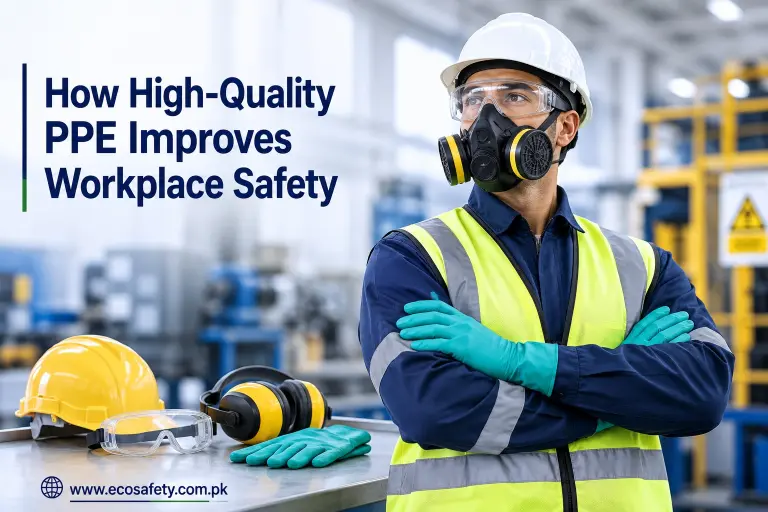
The technicians dealing with pesticides or other dangerous substances need to have good-quality PPE to protect themselves from any kind of hazards that might occur in the workplace. Not only can quality PPE make the workplace safer and more productive for the chemical industry, but it also makes the process of keeping the chemicals safe much easier. Safety gear like nitrile gloves, respirators, safety glasses, face shields, and protective clothing can help prevent workers from the danger of splashing, spraying, or any other kind of hazard that might happen in the workplace.
Using the right PPE not only offers better fit, comfort, and flexibility to workers for performing their job safely, but also allows the use of safety clothing and gear that increase comfort and durability, making sure that the worker is able to concentrate on his job and there is no interruption because of PPE.
Frequently Asked Questions
What PPE is required for pesticide handling?
Essential personal protective equipment (PPE) for safe pesticide handling includes chemical-resistant gloves, safety goggles, a respirator, coveralls, and safety boots to minimize pesticide exposure.
Why are chemical-resistant gloves important during pesticide application?
Chemical-resistant gloves help protect technicians’ hands from pesticide exposure and reduce the risk of skin irritation and chemical absorption. Nitrile gloves are commonly used for many pesticide-handling tasks.
Can disposable PPE be reused?
No. Most of the disposable PPE, including disposable respirators and coveralls, is intended for one-time use and needs to be replaced when contaminated or damaged.
What is the most important PPE for pest control technicians?
The most important pest control PPE includes a respirator, safety vest, safety harness, chemical-resistant gloves, safety goggles, and protective coveralls, as these provide essential chemical protection during pesticide handling.
Conclusion
To ensure minimal chemical exposure and worker protection, proper safety measures when handling pesticides and the use of PPE are required. Safe pesticide handling practices that employ the proper personal protective equipment (PPE), such as gloves, respirators, safety goggles and protective clothing, help keep pesticides safe and promote better workplace practices.
When using harmful chemicals, PPE can’t be avoided. Companies must invest in quality industrial PPE in order to ensure the safety of their workers and decrease workplace hazards.
Eco Safety is an industrial safety equipment & PPE supplier from Pakistan and provides safe industrial safety equipment for a safe working environment.